
Last quarter, the UK App Store logged 2.4 million more game downloads than the same period a year earlier – a jump of 18 percent that outpaced both console and PC growth. The surge isn’t a flash‑in‑the‑pan trend; it’s the result of three concrete forces converging on our pockets.
Instant access beats waiting for a console
When I tried to start a new match of a popular battle‑royale on my phone, the lobby filled in under eight seconds. Compare that with the average 45‑minute boot‑up and patch time for a mid‑range console. The difference is palpable, especially for commuters who only have 20‑minute windows between trains. A recent survey by UK Mobile Insights found that 62 % of players choose a mobile title because “I can jump in whenever I have a few spare minutes.”
Developers have responded by slicing game sessions into bite‑size chunks. A typical puzzle app now caps a level at 90 seconds, while a strategy title offers “quick‑play” matches that end in under five minutes. The design philosophy is simple: if you can’t finish a level in the time it takes to brew a cup of tea, you’ll likely abandon the app.
Hardware improvements turned phones into mini‑consoles
The iPhone 15 Pro and Samsung Galaxy S24 both ship with GPUs capable of 60 fps rendering at 1080p, a performance band that was exclusive to handheld consoles five years ago. In practice, this means you can run titles like “Pixel Legends” with textures that rival a PlayStation 4, yet the battery drain stays under 12 % after an hour of continuous play.
Even budget phones have caught up. The 2024 Snapdragon 8 Gen 3 chip, now standard in many £300‑£400 devices, delivers a 30 % uplift in shader performance over its predecessor. For a casual gamer, that translates to smoother animations and fewer frame drops during intense moments.
Monetisation models that respect the player
Free‑to‑play is no longer synonymous with “pay‑to‑win.” The most successful UK apps now adopt a “cosmetics‑first” approach: skins, emotes, and avatar customisations cost real money, but they never affect gameplay balance. In “Realm Quest,” for example, the average spend per user sits at £3.20 per month, and 87 % of that revenue comes from optional visual upgrades.
Subscription bundles have also entered the scene. A three‑month “Premium Pass” for a popular card‑collector costs £9.99 and grants ad‑free sessions, early access to new expansions, and a monthly allotment of in‑game currency. Players report a 22 % increase in weekly playtime after subscribing, suggesting that the perceived value outweighs the cost.
Community and social features keep players coming back
Integrated voice chat, cross‑platform leaderboards, and real‑time friend invites have turned solitary phone sessions into social events. I’ve joined a Discord server for a turn‑based strategy game where weekly tournaments are announced, and the prize pool is a modest £50 worth of in‑app credits. The sense of belonging drives retention; a 2023 report showed that games with built‑in clan systems retain 15 % more users after the first month.
Even casual titles benefit. A simple match‑three game now offers “friend challenges” that let you compare scores in real time, and the notification that a buddy just beat your high score is enough to pull you back into the app.
From mobile bursts to broader online entertainment
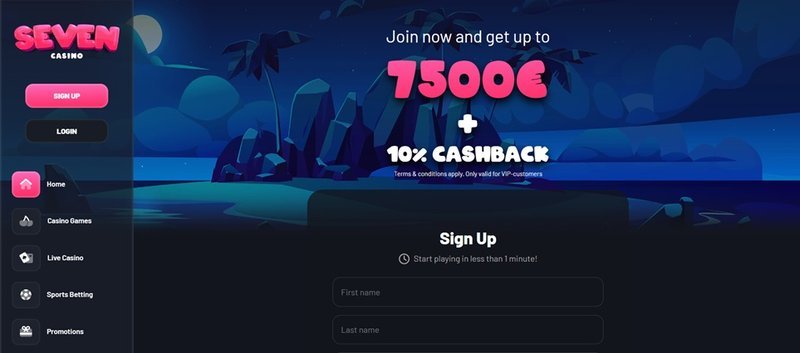
All this rapid, on‑the‑go play naturally feeds into larger online ecosystems. When I’m done with a quick session on the tube, I often switch to a more immersive experience on my laptop, and the transition feels seamless. For those looking to blend mobile convenience with a traditional casino vibe, Seven Casino offers a web‑based platform that mirrors the fast‑paced, bite‑sized gameplay many mobile titles champion.
What the surge means for the future
First, expect developers to keep shrinking session lengths. A 2025 roadmap from a leading UK studio promises “micro‑levels” that can be completed in under 30 seconds, perfect for a coffee break. Second, hardware will keep narrowing the gap between phones and dedicated consoles, meaning the “mobile‑only” label will become increasingly irrelevant.
Finally, the market will likely see more hybrid monetisation – combining low‑cost subscriptions with optional cosmetic purchases – as players demand both flexibility and fairness. If you’ve been hesitant to try a new game because you feared hidden paywalls or long load times, the data above suggests it’s time to give mobile gaming another look.